Understanding Traditional Economic Systems: How Rural Communities Manage Their Economies
AI summary of “Understanding Traditional Economic Systems: How Rural Communities Manage Their Economies” by Khatulistiwa Studio, generated by Sumvid.
Title
Understanding Traditional Economic Systems: How Rural Communities Manage Their Economies
One-Sentence Summary
The video explains how traditional economic systems function in rural communities worldwide, examining their characteristics, advantages, disadvantages, and the few locations where they still exist today.
Key Takeaways
- [0:13] An economic system is a method countries use to regulate economic activities and solve problems like unemployment, poverty, and scarcity, varying by country based on their unique circumstances
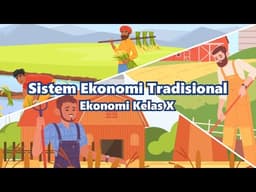
- [1:17] Traditional economic systems are primarily found in rural agricultural communities where people exchange harvested goods through barter and work to meet their own needs without formal division of labor
- [1:49] Traditional systems promote healthy competition and close community relationships, resulting in minimal economic gaps and no exploitation of natural resources or human resources
- [2:20] Despite their benefits, traditional economic systems have significant weaknesses including low productivity due to simple technology, slow economic growth, unmet community needs, and heavy dependence on nature
- [2:50] Today, traditional economic systems exist only in limited areas including Mubaye Village in Central Africa, Malawi in southern Africa, and the Jayawijaya mountains in Papua, Indonesia, where residents primarily work in agriculture and livestock farming