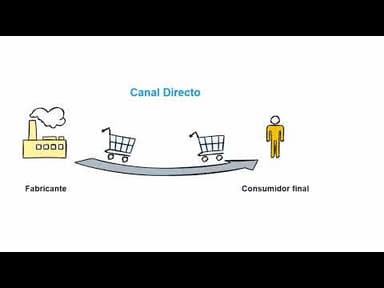
AI summary of “Direct vs. Indirect Distribution Channels in Marketing” by Carlos Albert Magro, generated by Sumvid.
Title
Direct vs. Indirect Distribution Channels in Marketing
One-Sentence Summary
The video explains the differences between direct distribution channels, where manufacturers sell directly to consumers without intermediaries, and indirect channels, which utilize wholesalers and retailers as intermediaries.
Key Takeaways
- [0:02] Direct distribution channels involve manufacturers managing the entire logistics process from production to the final consumer with no intermediaries in between
- [0:02] Direct channels provide manufacturers with greater control over production, distribution, and pricing strategies
- [0:34] Direct distribution requires substantial logistical capacity, making it viable primarily for large enterprises with adequate infrastructure
- [0:34] Indirect distribution channels rely on intermediaries such as wholesalers (companies that buy and sell in bulk) and retailers (businesses that sell directly to consumers)
- [1:06] Indirect channels allow manufacturers to leverage the existing infrastructure and reach of wholesalers and retailers to access customers more easily and efficiently
Suggested Category Tags
More from Carlos Albert Magro
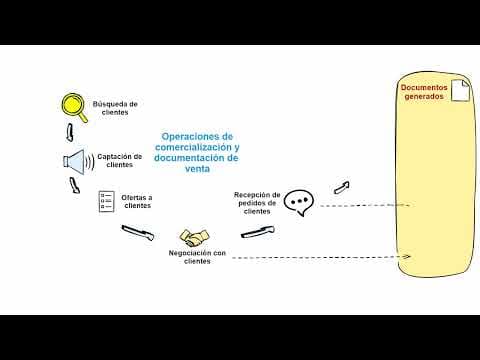
The Sales Process: Phases and Documentation in Commercial Operations
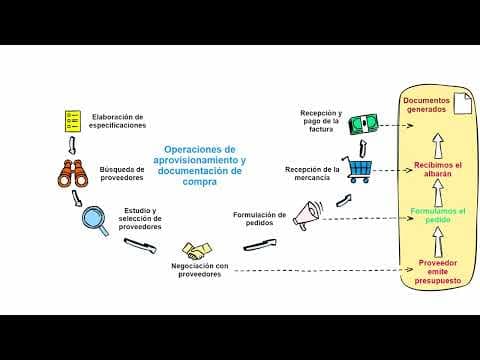
The Business Procurement Process: From Specifications to Payment
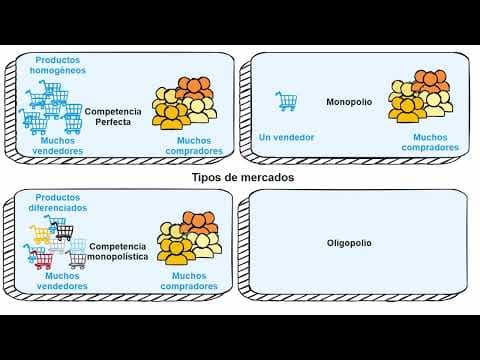
Types of Market Structures: From Perfect Competition to Oligopoly
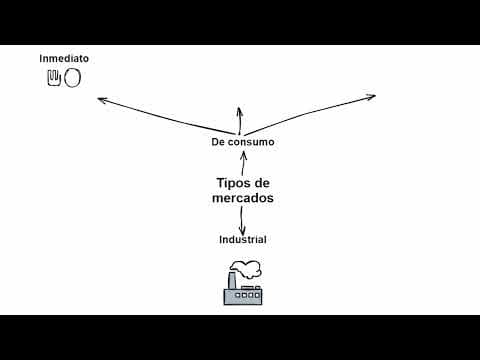
Types of Markets: Industrial vs. Consumer Markets and Service Markets
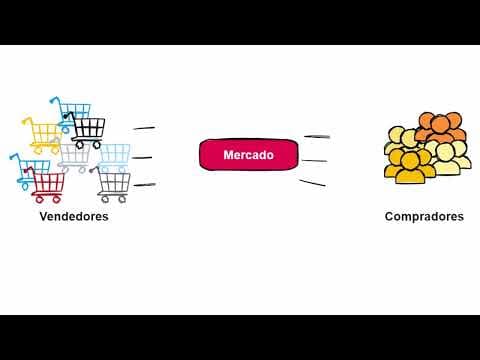
Understanding Markets: Insights from Nobel Laureate Paul Samuelson
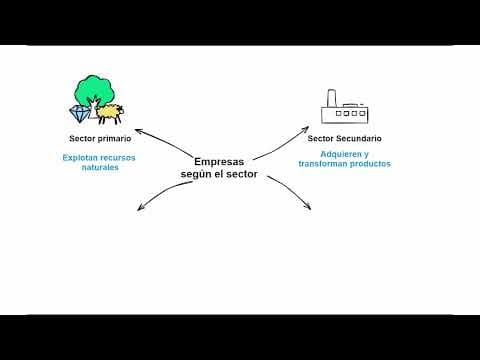
Classification of Companies by Economic Sector