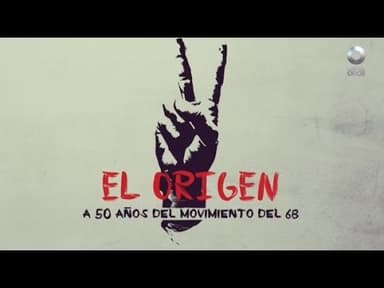
AI summary of “The 1968 Mexican Student Movement: Beyond October 2nd” by Canal Once, generated by Sumvid.
The 1968 Mexican Student Movement: Beyond October 2nd
One-Sentence Summary
The 1968 Mexican student movement was a profound generational uprising against state authoritarianism that transcended its origins in a street brawl to become a worldwide phenomenon rooted in youth liberation, women's empowerment, and demands for democratic change, yet remains historically overshadowed by the tragic massacre of October 2nd.
Key Takeaways
- [0:07] State authoritarianism, not student conflict, was the true catalyst for the movement; the government's disproportionate police response to a minor fight between schools on July 22 revealed the regime's intolerance of any challenge to presidential authority.
- [2:41] The Instituto Politécnico Nacional (IPN) played a central and often-overlooked leadership role in initiating and sustaining the 1968 movement, yet university-dominated historical narratives have systematically marginalized the polytechnic's contributions and sacrifices.
- [5:17] The movement's significance extends far beyond the October 2nd massacre at Tlatelolco; it represented a profound cultural expression of hope for positive political and social change that mobilized consciousness and generated transformative implications for decades.
- [6:20] The movement emerged spontaneously from July 22-26 when students from rival schools clashed, leading to brutal police intervention that prompted the IPN to strike on July 26-27, followed by unified action with university students by early August.
- [20:29] Rector Javier Barros Sierra's August 1st march and defense of university autonomy provided crucial moral legitimacy to the movement, transforming it from student activism into an institution-backed protest that attracted massive popular support.
- [27:17] The 1968 student uprising was part of a global wave of youth movements occurring simultaneously across Europe, Asia, the Americas, and beyond, reflecting a worldwide generational consciousness against authoritarian power and for individual freedoms.
- [32:05] Women played a fundamental role in the movement through theatrical brigades, pamphlet distribution, and full participation in marches, and the liberation and consciousness-raising they experienced helped catalyze the broader feminist movement in Mexico.
- [36:53] The movement's resilience stemmed from its sophisticated horizontal organization through assemblies that prevented government co-optation; leaders who showed flexibility toward authorities were removed, maintaining the movement's radical independence and integrity.