Understanding Additive Light and Spectral Composition Through RGB Color Demonstration
Pablo Costamagna UNLa EMMALZAI summary of “Understanding Additive Light and Spectral Composition Through RGB Color Demonstration” by Pablo Costamagna UNLa EMMALZ, generated by Sumvid.
Title
Understanding Additive Light and Spectral Composition Through RGB Color Demonstration
One-Sentence Summary
The video demonstrates how additive light mixing and spectral composition work by showing how different RGB color combinations create various colors and reveal gaps in the visible spectrum.
Key Takeaways
- [0:00] White light is composed of the complete visible spectrum ranging from red to violet, which can be decomposed into individual color components using an RGB light source.
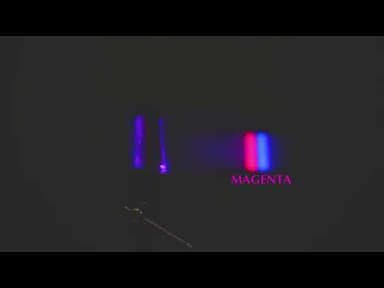
- [0:32] When combining only red and blue light, a gap appears in the middle where green should be, demonstrating that not all colors can be created by mixing only two primary colors.
- [1:03] Secondary colors like yellow are created by combining red and green light, and cyan is created by combining green and blue light; the spectrum shows these component colors adjacent to each other in the prism display.
- [1:03] Magenta reveals a characteristic gap in the center of its spectrum because green (which should occupy that middle position) is absent from the red and blue combination.
- [1:34] Color temperature variations (ranging from 2700K to 6500K) maintain representation of all spectral colors throughout the range, which is characteristic of incandescent light sources and differs from primary color mixing.
- [2:05] Unlike primary and secondary color combinations, color temperature displays always show all colors represented in the spectrum, similar to how a vectorscope instrument displays color information.
Suggested Category Tags
More from Pablo Costamagna UNLa EMMALZ
All Pablo Costamagna UNLa EMMALZ summaries