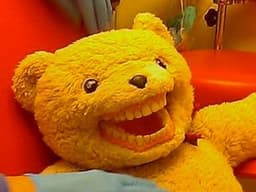
What Makes Things Creepy? The Science of the Uncanny
AI summary of “What Makes Things Creepy? The Science of the Uncanny” by Vsauce, generated by Sumvid.
Title
What Makes Things Creepy? The Science of the Uncanny
One-Sentence Summary
Michael from Vsauce explores the psychological and neurological basis of creepiness, revealing that ambiguity and uncertainty about threats—rather than obvious danger—are what truly disturb us.
Key Takeaways
- [0:03] Fear evolved to protect us from clear dangers like predators and poisons, but creepiness emerges from threats that are ambiguous and difficult to categorize.
- [1:43] Stephen King distinguishes three types of fear: "gross-out" (disgust), "horror" (the unnatural), and "terror" (ambiguous dread)—with terror being the creepiest because it involves uncertainty rather than obvious danger.
- [3:25] Masks and clowns are creepy because they hide true emotions and intentions, creating ambiguity about whether the person underneath is a threat—a concept central to why we find them unsettling.
- [3:57] The "Uncanny Valley" describes how something that is almost—but not quite—human creates unease; it's too realistic to dismiss as fake, yet too imperfect to be indistinguishable from human, leaving our brains unable to process it.
- [5:00] Creepiness functions as an adaptive response when our brains encounter ambiguous threats; unable to categorize something as clearly safe or dangerous, we experience cognitive dissonance and feel uneasy rather than typical fear.
- [6:38] The "High Place Phenomenon" demonstrates how ambiguity affects our behavior: our survival instincts pull us away from danger, but our motor systems create conflicting signals, potentially triggering intrusive thoughts about jumping or pushing.
- [7:44] Language itself reflects the duality of powerful experiences—words like "terrible" and "terrific" share roots because awe-inspiring and awful experiences overlap; creepiness reminds us we are fragile yet cunning creatures in an ambiguous world.
Suggested Category Tags
More from Vsauce
The Science and Sociology of Swear Words: Why Some Words Are "Bad"
Vsauce
The Banach-Tarski Paradox: How to Turn One Sphere Into Two
Vsauce
What is Randomness? From Coin Flips to Quantum Mechanics
Vsauce
Understanding Awkwardness: Why Social Discomfort Matters and How Perspective Helps
Vsauce
What Makes You "You"? Exploring Consciousness and Personal Identity
Vsauce
The Rarest Element for an Engagement Ring: A Journey Through the Periodic Table
Vsauce