How VAT Works: Tracing the Tax from Cotton Field to Consumer
AI summary of “How VAT Works: Tracing the Tax from Cotton Field to Consumer” by Carlos Albert Magro, generated by Sumvid.
Title
How VAT Works: Tracing the Tax from Cotton Field to Consumer
One-Sentence Summary
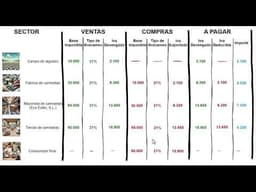
Using a simplified cotton-to-T-shirt supply chain at a 21% rate, the video shows how each business collects VAT on its sales, deducts the VAT it paid on purchases, and remits only the difference, so the final consumer bears the full tax.
Worth Watching If
You are new to VAT or sales taxes and want a clear, numerical walkthrough of how the tax flows through a supply chain. It is a short, basic explainer with no advanced topics such as exemptions, reduced rates, or filing procedures.
Chapters
- [0:02] Introduction to the concept and the idea of studying how VAT works
- [0:32] A hypothetical cotton field with no expenses sells 10,000 worth of cotton
- [1:03] The field charges 21% VAT (2,100) to the T-shirt factory and must pass it to the tax authority
- [2:35] The T-shirt factory buys the cotton, sells 30,000 of shirts, and pays only the 4,200 difference
- [3:39] The wholesaler buys for 30,000, sells for 65,000, and pays 7,350 after deducting its input VAT
- [5:12] The retail shop buys for 65,000, sells to consumers for 90,000, and pays 5,250
- [6:13] The final consumer cannot deduct VAT and bears the full tax
- [6:47] Summary: each business collects VAT, deducts what it paid, and remits the difference
Key Takeaways
- [1:03] The example uses a 21% general rate. The cotton field's 10,000 sale generates 2,100 in VAT, which it collects for the tax authority rather than keeping.
- [2:35] The T-shirt factory charges 6,300 VAT on its 30,000 sale, deducts the 2,100 it paid on cotton, and remits 4,200.
- [3:39] The wholesaler's 65,000 sale generates 13,650 in VAT, minus the 6,300 deductible on its purchases, leaving 7,350 to pay.
- [5:12] The retailer's 90,000 sale generates 18,900 in VAT, minus the 13,650 deductible on purchases, leaving 5,250 to pay.
- [6:13] The consumer pays 108,900 in total (90,000 plus 18,900 VAT), because a final consumer cannot deduct VAT.
- [6:47] Total VAT remitted across the chain is 2,100 + 4,200 + 7,350 + 5,250 = 18,900, which equals the VAT the consumer pays.
- [6:47] Each business in the chain acts as a tax collector, and VAT is effectively levied only on the value each business adds.
Action Items
- Work through the example yourself: take any sale price, apply 21%, subtract the VAT on your inputs, and confirm the remittance matches the value added.
Caveats
- The example is deliberately simplified: it assumes the cotton field has no expenses and that every business charges the same 21% rate. Real VAT systems include reduced and zero rates, exemptions, and registration thresholds, none of which are covered.
- The transcript contains transcription errors. The consumer's VAT is correctly 18,900 (total 108,900), not the "18,000" or "10,800" the speaker's wording suggests.
- The video is specific to Spain ("Hacienda," 21% general rate) and may not apply directly to other countries' VAT or GST systems.
Suggested Category Tags
More from Carlos Albert Magro
Fixed vs. Variable Costs Explained with a Graph
Carlos Albert Magro
Direct vs. Indirect Costs: Key Differences for Businesses
Carlos Albert Magro
Direct vs. Indirect Distribution Channels in Marketing
Carlos Albert Magro
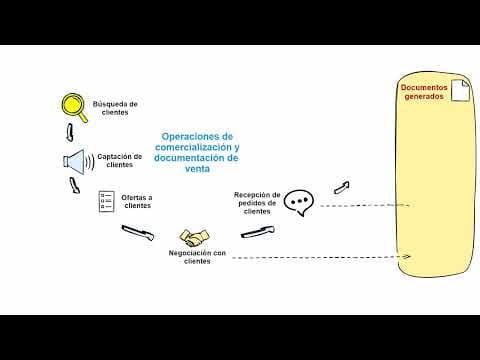
The Sales Process: Phases and Documentation in Commercial Operations
Carlos Albert Magro
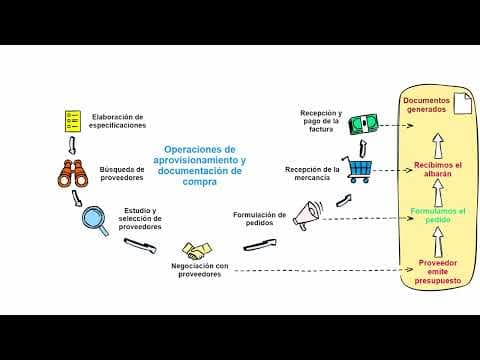
The Business Procurement Process: From Specifications to Payment
Carlos Albert Magro
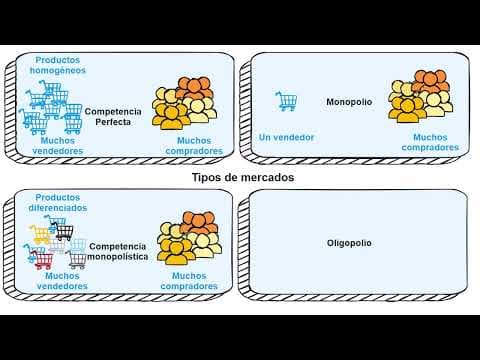
Types of Market Structures: From Perfect Competition to Oligopoly
Carlos Albert Magro