Direct vs. Indirect Costs: Key Differences for Businesses
AI summary of “Direct vs. Indirect Costs: Key Differences for Businesses” by Carlos Albert Magro, generated by Sumvid.
Title
Direct vs. Indirect Costs: Key Differences for Businesses
One-Sentence Summary
The video explains that direct costs can be traced to a specific product or service, while indirect costs are general and cannot be assigned to one, and it shows how these cost types differ between commercial and industrial companies.
Worth Watching If
You are a student or beginner in accounting or business management who needs a quick, clear introduction to cost classification. It covers only the basics, with no worked numerical examples or deeper analysis.
Chapters
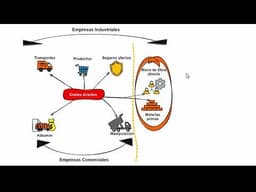
- [0:01] Defines direct costs (transport, purchases, insurance, customs, handling) and indirect costs (rent, utilities, administrative staff)
- [0:33] Explains why indirect costs such as rent, electricity, and support salaries cannot be assigned to a single good or service
- [1:06] Compares cost structures of commercial and industrial companies, adding direct labor as a direct cost for manufacturers
- [1:37] Covers raw materials as a direct cost for industrial firms and why commercial firms don't have them
Key Takeaways
- [0:01] Direct costs can be specifically assigned to the sale or production of a particular good or service, such as transport, purchases, insurance, customs duties, and handling costs.
- [0:01] Indirect costs are general costs that cannot be specifically charged to one product or service.
- [0:33] Typical indirect costs include rent, electricity and other utilities, and wages of support or administrative staff.
- [1:06] Direct cost categories apply to all companies, both commercial and industrial.
- [1:06] Industrial companies have additional direct costs: direct labor, the labor used in the production process.
- [1:37] For industrial companies, raw materials are a direct cost.
- [1:37] Commercial companies have no raw material costs because they buy finished products and resell them without transforming them.
More from Carlos Albert Magro
How VAT Works: Tracing the Tax from Cotton Field to Consumer
Carlos Albert Magro
Fixed vs. Variable Costs Explained with a Graph
Carlos Albert Magro
Direct vs. Indirect Distribution Channels in Marketing
Carlos Albert Magro
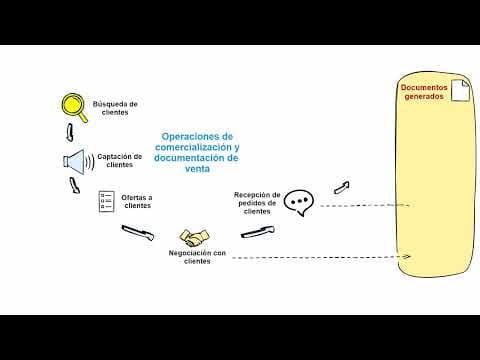
The Sales Process: Phases and Documentation in Commercial Operations
Carlos Albert Magro
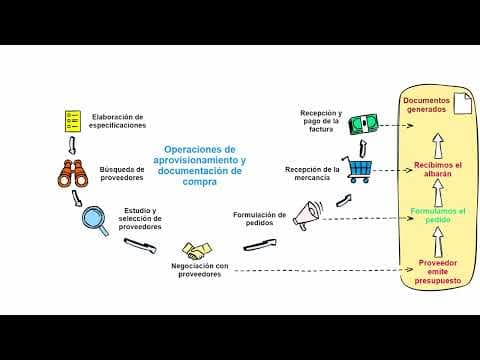
The Business Procurement Process: From Specifications to Payment
Carlos Albert Magro
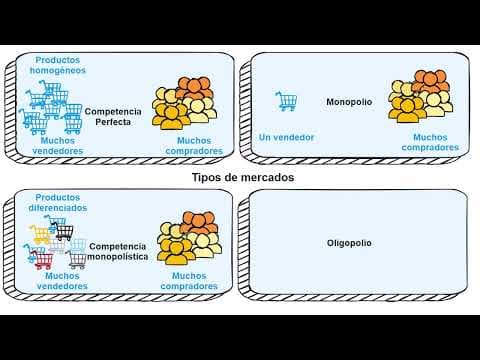
Types of Market Structures: From Perfect Competition to Oligopoly
Carlos Albert Magro