Business Legal Structures: Classification and Comparative Analysis
Carlos Albert MagroAI summary of “Business Legal Structures: Classification and Comparative Analysis” by Carlos Albert Magro, generated by Sumvid.
Title
Business Legal Structures: Classification and Comparative Analysis
One-Sentence Summary
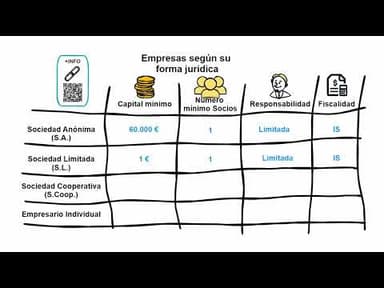
This video explains the four main legal structures for businesses—sole proprietorship, limited liability company, joint-stock company, and cooperative—by comparing their capital requirements, minimum number of partners, liability limitations, and tax obligations.
Key Takeaways
- [0:02] The video focuses on four primary business legal structures: joint-stock companies (Sociedad Anónima), limited liability companies (Sociedad Limitada), cooperatives (Sociedad Cooperativa), and sole proprietorships (Empresario Individual), with additional structures available through official resources.
- [0:34] Key criteria for establishing business entities include: minimum capital contribution, minimum number of partners required, whether liability is limited to invested capital or extends to personal assets, and which tax system applies (corporate income tax or personal income tax).
- [1:06] Joint-stock companies require a minimum capital of €60,000, can have just one owner (called SAU when unipersonal), have limited liability protection, and are taxed under corporate income tax.
- [1:37] Limited liability companies are similar to joint-stock companies but require only €1 minimum capital, also allow single ownership (SLU when unipersonal), offer limited liability, and are subject to corporate income tax.
- [2:08] Cooperatives have flexible capital requirements determined by their bylaws or regional regulations, require a minimum of three members for first-degree cooperatives or two for second-degree cooperatives, provide limited liability, and are taxed as corporate entities.
- [3:14] Sole proprietorships have no minimum capital requirement, consist of one person directly conducting professional or business activity, feature unlimited personal liability (extending to personal assets), and are taxed under personal income tax rather than corporate tax.
- [4:15] Additional business legal structures can be explored through the official SME Platform (Plataforma PYME) website managed by the Ministry of Industry, which allows filtering by liability type, number of partners, and minimum capital requirements.
Suggested Category Tags
More from Carlos Albert Magro
All Carlos Albert Magro summaries